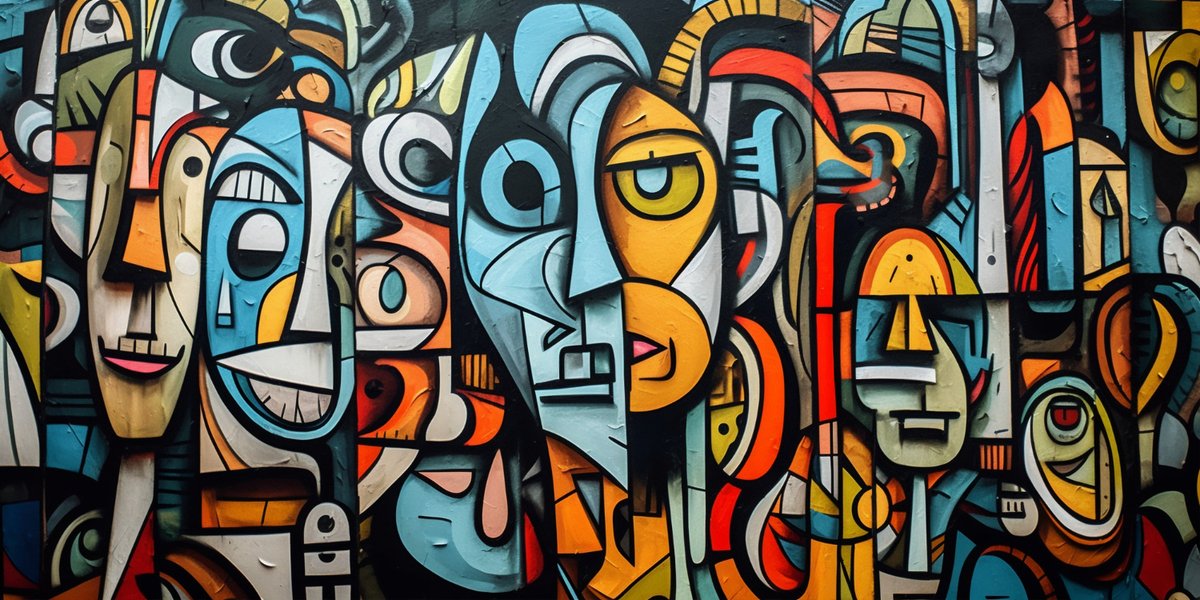
Imagine a world where your wildest creative visions can materialize at the speed of thought, where complex designs are refined in seconds, and where artistic consistency across an entire project is a given. This isn't a futuristic dream, it's the present reality with tools like Magic Studio AI Art. For anyone in marketing, entertainment, or simply looking for new avenues of personal expression, understanding the profound capabilities and diverse applications of AI art generators is no longer optional – it’s essential. This guide will walk you through how Magic Studio AI Art is revolutionizing creative workflows and unlocking unprecedented possibilities.
At a Glance: Harnessing Magic Studio AI Art
- Beyond Basic Images: AI art tools like Magic Studio now offer advanced features such as multi-image fusion, character consistency, and even video integration.
- Creative Powerhouse: Generate hyper-realistic visuals, adapt diverse artistic styles, and rapidly produce variations for any project.
- Tailored to Your Vision: Fine-tune AI models with your own datasets and even monetize your unique artistic styles.
- Streamlined Workflows: From brainstorming and ideation to final production, AI helps automate repetitive tasks and accelerate creative cycles.
- Key Applications: Revolutionize marketing campaigns, elevate content creation, simplify storytelling for comics and games, and empower personal artistic expression.
The Dawn of a New Creative Era
For years, digital creativity, while powerful, often came with a steep learning curve or significant time investment. Achieving professional-grade designs required mastery of complex software, hours of rendering, and meticulous attention to detail. Fast forward to May 2025, and AI-generated art, powered by sophisticated generative adversarial networks (GANs) and diffusion models, has fundamentally reshaped this landscape. It's no longer just about generating a pretty picture; it's about intelligent design assistance that understands context, style, and intent.
Tools like Canva’s Magic Studio exemplify this shift, offering an intuitive suite of AI-powered features designed to streamline everything from brainstorming to video creation. While Canva integrates these functionalities seamlessly, the underlying technology, similar to what you’d find in a dedicated professional platform like Reelmind.ai, pushes the boundaries of what's possible. It’s about more than just making art; it’s about making your creative process magical.
Unpacking the Magic: What Magic Studio AI Art Brings to Your Table
At its heart, Magic Studio AI Art empowers creators by providing a suite of advanced capabilities that abstract away the technical complexities, allowing you to focus purely on your vision. Think of it as having an endlessly patient, infinitely skilled digital assistant who can conjure visuals based on your directives.
From Concept to Cohesion: The AI Fusion Tool
Have you ever struggled to blend disparate elements into a unified, visually appealing composition? The AI Fusion Tool is designed precisely for this. It intelligently combines elements from several images, interpreting their semantic meaning and stylistic attributes to create cohesive new pieces.
- Concept Art: Imagine taking a photo of a rugged mountain, a futuristic city skyline, and a vintage car, then asking the AI to fuse them into a single, epic scene for a video game concept.
- Marketing Visuals: Need to combine product shots with lifestyle imagery and abstract design elements? The AI can create a dynamic, single-frame advertisement that feels perfectly integrated. This capability is a game-changer for marketers aiming for novel campaign aesthetics.
Ensuring Continuity: Character Consistency Across Frames
One of the long-standing challenges in visual storytelling, whether in comics, animation, or game development, is maintaining a character’s consistent appearance across numerous frames or scenes. A slight variation in a facial feature or a shift in clothing detail can break immersion.
Magic Studio AI Art addresses this head-on with Character Consistency features. It ensures that your protagonist retains their unique features, posture, and even subtle expressions, regardless of the scene or action. This feature is invaluable for:
- Storyboard Artists: Rapidly generate consistent character poses and expressions for an entire sequence.
- Game Developers: Create countless character variations or actions without losing the core identity.
- Comic Artists: Speed up the laborious process of drawing characters from different angles and in various emotional states, guaranteeing they always look like them. To learn more about achieving character consistency in AI art, explore advanced techniques.
Mastering Mood and Message: Stylistic Versatility
Artistic style is often the first thing that communicates a mood or message. Magic Studio AI Art provides powerful Stylistic Versatility, allowing you to toggle between a vast array of styles, from "anime" and "photorealistic" to "oil painting" or "cyberpunk."
- One-Click Transformations: Apply a distinct look to an entire project, ensuring aesthetic unity.
- AI-Suggested Tweaks: Beyond simple application, the AI can suggest nuanced adjustments to composition, color harmony, and focal points, elevating your design from good to great. This feedback system is like having an art director built into the software.
- Experimentation: Quickly test how an image looks in a hyper-realistic style versus a watercolor rendering, helping you find the perfect fit for your message.
Ideation at Warp Speed: Rapid Variation Generation
Brainstorming visuals used to be a time-consuming endeavor, often involving sketching dozens of ideas, only to discard most of them. Magic Studio AI Art accelerates this process with Rapid Variation Generation. You can produce dozens of distinct variations of an image in mere seconds.
- A/B Testing for Marketers: Generate multiple ad creatives with subtle differences to see which resonates best with your audience.
- Design Exploration: For any creative project, quickly explore different compositions, color palettes, or thematic interpretations of an initial prompt. The AI's feedback system then helps refine the best candidates, analyzing everything from visual balance to emotional impact.
Shaping the Future: Model Training and Monetization
Perhaps one of the most exciting advancements is the ability for users to engage in Model Training. This means you can fine-tune AI models on your own artwork, photographs, or proprietary datasets.
- Developing a Unique Style: Want an AI that generates art exactly in your personal style? Train it on your portfolio.
- Specialized Assets: For businesses, this means generating brand-consistent visuals without manual oversight.
- Monetization: Once you've trained a custom model, you can publish it to a Community Marketplace, allowing others to license or purchase access to your unique AI art generator. This opens up entirely new revenue streams for artists and designers, turning your creative expertise into a digital asset. Think of it as passive income for your artistic vision.
Bringing Still Images to Life: Video Integration
The line between still image and motion picture continues to blur. Magic Studio AI Art integrates Video Generation capabilities, allowing you to export your AI-generated art as sequences or seamlessly integrate them into larger video projects.
- Animated Storyboards: Turn your consistent character art into dynamic, albeit basic, animations for storyboarding.
- Social Media Content: Create captivating short video clips from your AI-generated images for platforms like Instagram Reels or TikTok. For those delving into the mechanics, exploring the basics of AI video generation can provide a deeper understanding.
- Visual Effects: Use AI art as backdrops, special effects, or character assets within traditional video editing software.
Creative Projects & Use Cases: Where Magic Studio AI Art Shines
Now that we understand the core capabilities, let's dive into concrete examples of how Magic Studio AI Art can transform various creative endeavors.
1. Supercharging Marketing & Advertising Campaigns
Marketing is inherently visual, and the demand for fresh, engaging content is endless. Magic Studio AI Art offers unprecedented agility.
- Ad Campaign Visuals: Generate hyper-realistic product placements, abstract conceptual imagery, or lifestyle scenes tailored to specific demographics. Need a new look for a holiday campaign? Describe it, and watch dozens of options appear.
- A/B Testing: Quickly produce multiple visual variations (e.g., different color schemes, character expressions, backgrounds) for ad creatives. Reelmind’s AI feedback system can even analyze potential impact, guiding you to the most effective designs before they go live. This saves time and ad spend.
- Brand Collateral: From brochure designs and website banners to email headers and social media posts, maintain brand consistency and generate a high volume of assets with ease.
2. Elevating Content Creation for Blogs, YouTube, and Social Media
Content creators are in a constant race for attention, and compelling visuals are key.
- YouTube Thumbnails: Generate eye-catching, high-resolution thumbnails in seconds, ensuring character consistency and stylistic flair across your channel. No more struggling with stock photos or complex editing.
- Blog Post Imagery: Create unique, relevant, and visually stunning images to break up text and convey concepts, avoiding generic stock photos. This helps your content stand out and improves engagement.
- Social Media Graphics: Design engaging posts, stories, and headers for all platforms, rapidly adapting to trending styles or seasonal themes. It's a game-changer for maintaining a vibrant online presence without a dedicated design team. If you're just getting started with AI art, social media is a fantastic entry point.
3. Revolutionizing Storytelling: Comics, Game Development, and Storyboarding
Visual narrative creation is often labor-intensive, but AI art offers powerful shortcuts without sacrificing quality.
- Comic Book Art: Artists can use AI to generate consistent character poses, intricate backgrounds, or fill panels with dynamic action scenes, drastically speeding up production. Imagine having a detailed city backdrop for every panel generated in minutes, freeing you to focus on character expressions and dialogue.
- Game Development Assets: Create concept art, character sprites, environmental textures, and UI elements. The ability to maintain character consistency across various animations or interactions is particularly valuable here.
- Storyboarding: Quickly visualize entire scenes and camera angles, ensuring characters and settings remain consistent throughout the narrative. Export these as video sequences for dynamic presentations to stakeholders.
4. Unleashing Personal Expression & Fine Art
AI art isn't just for commercial applications; it's a profound new medium for individual artists.
- Digital Painting & Illustration: Experiment with styles and concepts that might be difficult or time-consuming to execute manually. Use AI as a collaborator, pushing the boundaries of your imagination.
- Abstract Art: Explore complex patterns, color palettes, and forms generated by AI, then refine them with traditional digital painting techniques.
- Personalized Decor: Create unique prints for your home, custom gifts, or even textile designs based on your specific aesthetic preferences.
5. Streamlining Product Design & Prototyping
For designers, AI art tools offer rapid iteration and visualization capabilities.
- Concept Visualization: Generate multiple product design concepts, packaging mock-ups, or architectural renderings based on textual descriptions or initial sketches.
- Material and Texture Exploration: See how different materials (e.g., wood, metal, glass) or textures would look on a product without physical prototyping.
- UI/UX Prototyping: Rapidly generate interface elements, icons, and layout variations for apps or websites, helping to visualize user flows and aesthetics.
6. Enhancing Education & Training Materials
Engaging visuals are crucial for effective learning.
- Diagrams and Illustrations: Generate custom diagrams, infographics, and illustrations to explain complex concepts in textbooks, presentations, or online courses.
- Virtual Environments: Create immersive backdrops or scenarios for virtual reality (VR) or augmented reality (AR) training simulations.
- Interactive Content: Develop visual assets for gamified learning experiences or educational apps.
Beyond the Canvas: Advanced Techniques and a Vibrant Marketplace
The utility of Magic Studio AI Art extends beyond simple image generation. It's about building an ecosystem around your creativity.
Master the Prompt, Master the Art
The quality of your AI art often boils down to the quality of your prompt. Think of prompt engineering as a new language for communicating with your digital muse. Specificity, descriptive adjectives, artistic references, and even negative prompts (telling the AI what not to include) are crucial.
- "A hyper-realistic cyberpunk city at sunset, neon glowing, rain-slicked streets, intricate details, cinematic lighting, dramatic --no cars, people."
- "Oil painting of a whimsical forest creature, glowing mushrooms, soft dappled light, impressionistic brushstrokes, fairytale aesthetic --low quality, blurry."
Investing time in mastering prompt engineering will dramatically improve your results and unlock the AI's full potential.
The Community Advantage: Collaborate and Monetize
The concept of a Community Marketplace is a significant innovation. It fosters a vibrant ecosystem where creators can:
- Share and Discover: Explore models trained by other artists, learn new techniques, and find inspiration.
- Monetize Your Models: If you've trained an AI model on your unique artistic style or a specialized dataset, you can publish it to the marketplace and earn credits (redeemable for cash) when others use it. This allows artists to monetize your digital creations in an entirely new way, turning proprietary styles into valuable assets.
- License Assets: Need a specific style or a set of assets for a project? You can license models or individual pieces from other creators, saving development time and fostering collaboration.
Navigating the AI Art Landscape: Best Practices and Considerations
While Magic Studio AI Art is incredibly powerful, a thoughtful approach yields the best results.
- Iterate and Refine: Rarely will your first prompt generate the perfect image. Use rapid variation generation to explore options, then refine your prompts or use editing tools to fine-tune the output.
- Understand Your Tools: Different AI art generators, like those leveraging Stable Diffusion or DALL-E, have unique strengths and interfaces. Familiarize yourself with the specific features of your chosen Magic Studio implementation.
- Ethical Considerations: Be mindful of the sources used to train AI models. While many tools prioritize ethical data, understand the implications of using AI-generated content, particularly concerning originality and potential biases.
- Copyright and Ownership: The legal landscape around AI-generated art is still evolving. Understand the terms of service for the platforms you use regarding ownership and commercial rights.
Common Questions and Misconceptions About AI Art
"Will AI art replace human artists?"
No, AI art is a tool, not a replacement. It augments human creativity, automating repetitive tasks and enabling rapid prototyping, but the vision, direction, and artistic intent still come from the human creator. Think of it like photography didn't replace painting; it became a new art form.
"Is AI art really 'creative'?"
Creativity is subjective. AI generates images based on learned patterns and your prompts. The creativity lies in the human's ability to craft unique prompts, direct the AI, refine its output, and integrate it into a cohesive artistic vision. The human element of curation and purpose is paramount.
"Is AI art just copying?"
Modern AI art generators, particularly diffusion models, don't "copy" in the traditional sense. They learn patterns, styles, and concepts from vast datasets and then generate new, original compositions based on those learnings and your input. While debates exist about training data, the output itself is a novel creation.
"Is it hard to learn?"
Tools like Canva’s Magic Studio are designed for accessibility, making it easy for beginners to start creating. More advanced features, like model training or complex prompt engineering, have a learning curve, but the intuitive interfaces help flatten it. For those ready to explore, generating AI art with Magic Studio can be surprisingly straightforward.
The Horizon: What's Next for Creative AI?
The pace of innovation in AI art is astounding. We can expect even more sophisticated control over outputs, deeper integration with 3D modeling and animation software, and more intuitive ways to interact with AI. Personalized AI art assistants that truly understand a creator's style and preferences will become commonplace. The boundary between human-created and AI-assisted art will continue to blur, opening up avenues for hybrid creative processes we can barely imagine today.
Your Creative Journey, Accelerated
Magic Studio AI Art isn't just a gimmick; it's a powerful suite of tools fundamentally changing how we approach design and creativity. From accelerating marketing campaigns and enriching digital content to empowering individual artists and revolutionizing storytelling, the applications are as boundless as your imagination. The key isn't to merely use these tools, but to integrate them intelligently into your workflow, leveraging their speed and versatility to amplify your unique vision. The canvas is digital, the brush is your prompt, and the possibilities are infinite. Embrace the magic, and transform your creative process today.